Blue Screen of Death (BSOD) errors, those dreaded crashes that halt your computer’s operation, can be frustrating. This guide delves into the complexities of BSOD errors, from understanding their causes to implementing effective troubleshooting strategies. We’ll explore various aspects, including hardware diagnostics, software conflicts, driver updates, and system configuration, empowering you to resolve these issues efficiently and prevent future occurrences.
This comprehensive guide provides detailed information on diagnosing and resolving Blue Screen of Death (BSOD) errors, ensuring a smooth and uninterrupted computing experience. We will navigate through different aspects, from understanding the common causes and error codes to advanced troubleshooting techniques and preventive measures.
Understanding BSOD Errors
The Blue Screen of Death (BSOD) is a critical error message displayed on a computer screen, signifying a severe system malfunction. It often indicates a critical hardware or software incompatibility or failure. Understanding BSOD errors is crucial for efficient troubleshooting and resolving the underlying issues.A BSOD is typically triggered by a system-level problem, halting the operating system’s functionality and preventing further operation.
These errors are not typically user-induced and often arise unexpectedly. Recognizing the patterns and causes associated with BSOD errors is essential for swift and effective troubleshooting.
Common Causes of BSOD Errors
Several factors can contribute to BSOD errors. These include hardware malfunctions, software conflicts, driver issues, and even insufficient system resources. Identifying the root cause is a vital step in resolving the problem. Often, a combination of factors can contribute to the problem.
Types of BSOD Errors and Error Codes
BSOD errors manifest in various forms, each potentially pointing to a different underlying problem. Some errors are generic, while others provide specific error codes, offering valuable clues to the source of the issue. These error codes are often numerical identifiers, and understanding their significance can streamline the troubleshooting process.
Significance of Error Codes
Error codes associated with BSODs are not just random numbers; they are crucial identifiers. Each code corresponds to a particular error, helping pinpoint the potential hardware or software issue. For example, an error code related to a specific driver might indicate a conflict or incompatibility with that driver.
Recording BSOD Error Information
Accurately recording BSOD error information is essential for diagnosing the problem. This includes the date and time of the error, the specific error code (if any), and any other relevant details, such as recent software installations or hardware changes. Detailed documentation is critical for effectively troubleshooting and resolving the issue.
Steps to Record BSOD Error Information
To effectively document BSOD errors, follow these steps:
- Note the date and time of the error.
- Identify the specific error code (if displayed).
- Record any error messages or descriptions accompanying the BSOD.
- Note any recent software installations or hardware changes.
- Document any unusual system behavior prior to the error.
These steps will greatly assist in identifying the root cause of the BSOD error.
Frequently Encountered BSOD Error Codes and Potential Causes
A table outlining common BSOD error codes, their potential causes, severity levels, and troubleshooting steps is presented below. This table provides a concise overview of the issues that may cause the Blue Screen of Death.
| Error Code | Potential Cause | Severity | Troubleshooting Steps |
|---|---|---|---|
| DRIVER_IRQL_NOT_LESS_OR_EQUAL | Corrupted or outdated device drivers, hardware conflicts. | High | Update drivers, uninstall and reinstall problematic drivers, check for hardware conflicts. |
| PAGE_FAULT_IN_NONPAGED_AREA | Insufficient RAM, corrupted system files, hard drive errors. | Medium | Increase RAM, scan and repair system files, check hard drive health. |
| INACCESSIBLE_BOOT_DEVICE | Boot device errors, incorrect boot order, damaged hard drive. | High | Check boot order settings, verify hard drive health, repair boot sector. |
| SYSTEM_SERVICE_EXCEPTION | Software conflicts, corrupted system files, faulty hardware. | Medium | Uninstall recently installed software, scan and repair system files, check for hardware problems. |
Identifying Hardware Issues
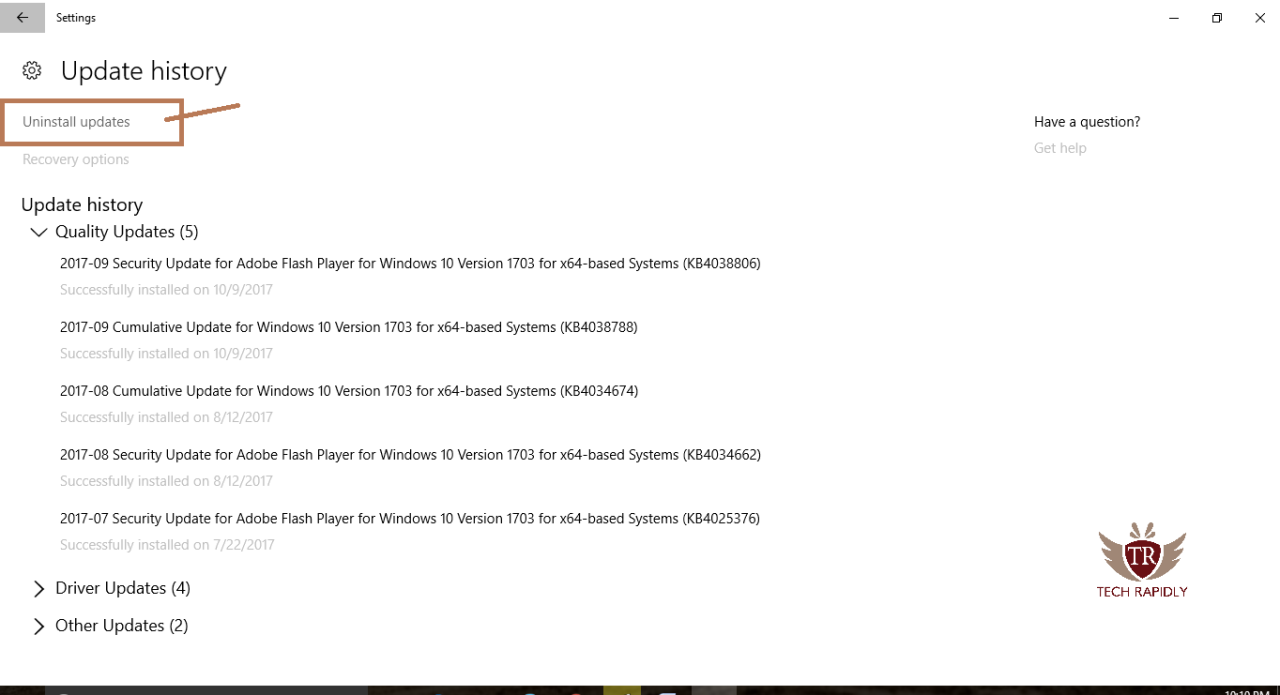
Blue Screen of Death (BSOD) errors, while often software-related, can also stem from underlying hardware problems. Diagnosing these hardware issues is crucial for effective troubleshooting. A thorough understanding of potential hardware problems and their associated symptoms can help pinpoint the source of the BSOD and guide repair or replacement efforts.
Potential Hardware Problems Causing BSOD Errors
Various hardware components can contribute to BSOD errors. These range from the seemingly obvious, like RAM, to less frequently suspected components such as hard drives and graphics cards. Identifying these potential issues is the first step towards effective diagnosis.
Common Hardware Components Causing BSOD Errors
Several hardware components are frequent culprits behind BSOD errors. These include:
- RAM (Random Access Memory): RAM is vital for storing data and instructions the computer needs to function. Problems with RAM can lead to instability, corruption of data, and eventually, BSOD errors. Corrupted RAM modules, incompatible RAM speeds or timings, or physical damage are common causes.
- Hard Drives (HDDs) and Solid State Drives (SSDs): Data storage devices can experience read/write errors, logical errors, or physical damage, leading to BSODs. These errors can manifest in various ways, often involving data loss or system instability.
- Graphics Cards: Problems with the graphics card, such as driver issues, overheating, or faulty hardware, can cause BSOD errors. These issues are often related to the graphical processing unit (GPU) and its interaction with the system.
- Motherboard: While less frequent, motherboard issues can lead to system instability and subsequent BSOD errors. These can arise from faulty connections, power delivery problems, or component failures within the motherboard itself.
Diagnosing and Testing Hardware Components
A systematic approach to testing hardware components is crucial for isolating the cause of BSOD errors.
RAM Compatibility and Stability Check
Ensuring RAM compatibility and stability is a critical step in troubleshooting BSOD errors.
- Check the motherboard documentation: Consult the motherboard’s documentation for the specific RAM specifications, including the maximum number of RAM modules, the supported RAM speeds (MHz), and the RAM timings (CAS latency). Ensure the RAM modules you’re using are compatible with the specifications.
- Verify RAM speed and timings: Incorrect RAM speed or timings can lead to instability. Ensure the RAM speed and timings are correctly set according to the motherboard specifications.
- Test with different RAM modules (if applicable): If you have multiple RAM modules, try installing only one module at a time to isolate potential issues with a specific module. If the error disappears, it points to that particular RAM module as the culprit.
- Run memory diagnostics tools: Use built-in Windows memory diagnostics tools or dedicated third-party software to check for RAM errors. These tools will run tests to identify any faulty RAM modules.
Table of Common Hardware Symptoms Associated with BSOD Errors
This table provides a concise overview of common symptoms linked to hardware issues causing BSOD errors.
| Hardware Component | Symptoms | Troubleshooting Steps | Possible Solutions |
|---|---|---|---|
| RAM | Frequent BSODs, system freezes, application crashes, slow performance. Error messages might mention memory issues. | Check RAM compatibility with motherboard, run memory diagnostics, test with a single RAM module. | Replace faulty RAM module, update BIOS if necessary, adjust RAM settings. |
| Hard Drive | Frequent BSODs, system instability, data loss, slow loading times, errors in file access. | Run hard drive diagnostics (if available), check for physical damage, check for errors in file system. | Replace hard drive, repair the drive using disk repair tools, rebuild file system. |
| Graphics Card | Frequent BSODs, graphical glitches, screen artifacts, display issues, high temperatures. | Check for driver updates, ensure proper ventilation, check for overheating. | Update drivers, install a better cooling system, replace the graphics card. |
Examining Software Conflicts
Software conflicts are a frequent cause of Blue Screen of Death (BSOD) errors. These conflicts arise when different programs or components on your system, particularly drivers, compete for system resources or interfere with each other’s operations. Understanding these conflicts is crucial for diagnosing and resolving BSOD issues effectively.Software conflicts can manifest in various ways, from minor performance hiccups to complete system crashes.
The root cause often lies in incompatible drivers, outdated software, or conflicting configurations. Careful examination of these factors is essential for pinpointing the source of the problem and implementing a successful repair.
Types of Software Causing Conflicts
Software conflicts can stem from a wide range of applications, but some are more susceptible to causing issues than others. Drivers, particularly for hardware devices like graphics cards, network adapters, and sound cards, are prime candidates for conflicts. Outdated or corrupted drivers can often lead to instability and BSODs. Applications, while less frequently problematic, can also interact negatively.
Applications using large amounts of memory or system resources can compete with other applications, potentially causing instability.
Importance of Driver Updates and Compatibility
Maintaining up-to-date drivers is vital for system stability. Outdated drivers may not be compatible with the latest operating system versions or hardware components. This incompatibility can lead to conflicts and BSOD errors. Drivers are often updated automatically by the operating system; however, manual updates are frequently required for optimal performance and compatibility. Checking the manufacturer’s website for the latest driver versions for your specific hardware is recommended.
Always ensure compatibility with your operating system version before installing any driver.
Identifying and Resolving Software Conflicts
System logs and event viewers are powerful tools for identifying software conflicts. These logs record events, including errors and warnings, which can indicate the source of the BSOD. Examining these logs can pinpoint specific software or drivers causing issues. Experienced users can use the provided tools to trace back the error sequence and identify the software causing the issue.
Often, specific error messages within the logs point to a particular program or driver. This allows for targeted troubleshooting and resolution.
Common Software-Related BSOD Issues
- Outdated or corrupted drivers: These are frequently the culprits, as outdated drivers may not function properly with the current system setup. Corrupted drivers can cause severe instability, leading to BSODs.
- Conflicting software applications: Sometimes, multiple programs compete for system resources, leading to conflicts. This is especially true for resource-intensive programs or those using similar functionalities.
- Incompatible software installations: New software installations might conflict with existing applications or system configurations, resulting in BSOD errors. Properly checking for compatibility is essential to prevent this.
- Hardware device issues: While not strictly software-related, faulty or incompatible hardware devices can cause software conflicts and BSODs. A faulty hard drive, for example, might generate driver errors.
Checking for Corrupted System Files
Corrupted system files can also trigger BSOD errors. These files are integral to the operating system’s functionality. The system file checker (SFC) tool can be used to scan and repair corrupted system files. This tool automatically identifies and fixes damaged files, preventing BSODs and other system instability issues.
To use SFC, open Command Prompt as administrator and run the command: `sfc /scannow`.
The tool will scan for corrupted system files and attempt to repair them automatically.
Troubleshooting Driver Issues
Driver issues are a frequent culprit behind Blue Screen of Death (BSOD) errors. Properly functioning drivers are essential for your hardware to communicate effectively with your operating system. Failing drivers can lead to various instability problems, ultimately resulting in a BSOD. This section will guide you through identifying, updating, and resolving driver-related BSOD errors.
Importance of Drivers in Preventing BSOD Errors
Drivers act as translators between your hardware and the operating system. They provide the instructions your system needs to utilize each piece of hardware correctly. Without compatible and up-to-date drivers, your hardware may malfunction, leading to system instability and, consequently, BSOD errors. This is especially true for critical components like graphics cards, network adapters, and hard drives.
Updating Drivers from the Manufacturer’s Website
Updating drivers from the manufacturer’s website is often the most reliable method. It ensures you have the latest, optimized versions, tailored to your specific hardware. This often includes fixes for known issues and enhanced performance.
- Locate the driver download page on the manufacturer’s website, usually found in the support or download section.
- Identify your specific hardware model. This is crucial for downloading the correct drivers.
- Download the appropriate driver package for your operating system (e.g., Windows 11 64-bit). Carefully review the compatibility information to ensure the driver is suitable.
- Run the downloaded installer. Follow the on-screen instructions carefully. This often involves accepting licenses and confirming the installation process.
- Restart your computer after the installation completes.
Uninstalling and Reinstalling Drivers
Uninstalling and reinstalling drivers can resolve conflicts or corrupted files. This method is helpful when updating or fixing driver issues through other means proves unsuccessful.
- Open Device Manager. You can typically access this by searching for it in the Start menu or through Control Panel.
- Locate the problematic device in Device Manager. This might be a network adapter, graphics card, or other components.
- Right-click on the problematic device and select “Uninstall device.”
- Follow the prompts to confirm the uninstallation.
- Restart your computer. This allows Windows to automatically reinstall the drivers.
- Alternatively, you can manually reinstall drivers from the manufacturer’s website. Follow the instructions Artikeld in the previous section.
Using the Correct Drivers for the Hardware
Using the correct drivers for your hardware is paramount. Incompatible drivers can cause malfunctions and ultimately lead to BSOD errors. Always verify the driver compatibility with your hardware and operating system.
Identifying Problematic Drivers Using Device Manager
Device Manager provides a comprehensive view of all hardware devices and their associated drivers. It allows you to identify devices with problems, such as missing, outdated, or malfunctioning drivers.
- Open Device Manager.
- Expand categories like “Display adapters,” “Network adapters,” “Sound, video and game controllers,” etc., to view all installed devices.
- Look for any devices with a yellow exclamation mark or a question mark next to their names. These indicate potential driver issues.
- Right-click on a problematic device and select “Update driver.”
- Choose to search automatically for updated drivers or manually browse for drivers from the manufacturer’s website.
Driver Update Methods Comparison
The following table summarizes various driver update methods, highlighting their pros and cons:
| Update Method | Pros | Cons |
|---|---|---|
| Automatic Updates (Windows Update) | Convenient, often includes essential updates | May not always provide the latest drivers, potential for incompatibility issues |
| Manufacturer’s Website | Latest and optimized drivers, often tailored to your hardware | Requires more effort and knowledge of your hardware |
| Driver Utility Software | Automated process, may offer additional features | May be more expensive, potentially less reliable updates |
Addressing System Configuration Problems

Improper system configuration can significantly impact overall system stability, frequently leading to Blue Screen of Death (BSOD) errors. Incorrect settings or conflicting configurations can overload system resources, resulting in instability and crashes. Understanding how to identify and resolve these issues is crucial for maintaining a healthy and reliable operating environment.System configuration encompasses a wide range of settings, ranging from hardware drivers and installed software to the allocation of system resources.
Misconfigurations in these areas can trigger BSOD errors. Addressing these issues involves meticulous examination and careful adjustments, often requiring a methodical approach to pinpoint the root cause.
Common Configuration Settings Causing Problems
Several configuration settings can lead to BSOD errors if improperly configured. A comprehensive understanding of these settings is vital for troubleshooting.
- Power Options: Incorrect power plan settings can strain system resources, especially during peak usage. For example, a power plan that prioritizes maximum performance may cause overheating and instability if the system’s cooling mechanisms cannot keep up.
- Virtual Memory Settings: Insufficient or improperly configured virtual memory can lead to system crashes. If the system does not have enough space to handle temporary files and data, it might result in a BSOD error.
- Startup Programs: Overly aggressive or conflicting startup programs can overload the system and lead to instability. For example, multiple antivirus programs or background applications launching simultaneously may cause conflicts and BSOD errors.
- System Services: Conflicting services, particularly those related to device drivers or network protocols, can create instability. For instance, outdated or incompatible network drivers can lead to system crashes.
Verifying System Resource Allocation
Proper resource allocation is critical for optimal system performance and preventing BSOD errors. Incorrect allocations can result in conflicts, leading to system crashes.
- RAM Usage: Monitoring RAM usage is important. High RAM usage can indicate potential issues with applications or processes consuming excessive resources. Insufficient RAM can lead to paging file overload and subsequent BSODs.
- Processor Usage: Checking processor usage can help identify processes or applications consuming excessive CPU cycles. High processor usage may indicate a need to optimize or close resource-intensive programs.
- Disk Space: Sufficient disk space is crucial for system operation. Low disk space can lead to system instability and errors. Freeing up disk space can resolve many BSOD problems.
Optimizing System Performance
Optimizing system performance is an effective strategy for reducing the risk of BSOD errors.
- Disk Defragmentation: Regular disk defragmentation can improve the efficiency of data access, reducing the likelihood of errors. Defragmentation restructures data on the hard drive for quicker access.
- Driver Updates: Ensuring all drivers are up-to-date can minimize compatibility issues and improve overall system stability. Outdated drivers can lead to errors and crashes.
- Regular Maintenance: Routine maintenance, such as cleaning up temporary files and optimizing the registry, can enhance system performance and reduce the risk of BSOD errors.
Identifying and Resolving Conflicting Services
Identifying and resolving conflicting services is essential for maintaining system stability.
- Service Manager: Using the Service Manager tool allows for monitoring and managing running services. It provides insight into which services are consuming significant resources and can help identify conflicts.
- Disabling Unnecessary Services: Disabling unnecessary services can free up system resources and reduce the chance of conflicts. This is particularly helpful for troubleshooting known conflicts.
Performing a Clean Boot
A clean boot isolates the problem by starting Windows with a minimal set of drivers and startup programs.
- Procedure: A clean boot procedure helps to identify whether a specific program or driver is causing the BSOD error. The procedure involves temporarily disabling startup programs to see if the issue persists.
- Diagnosis: If the BSOD error disappears after a clean boot, it indicates that one or more startup programs or drivers are the root cause of the problem. This helps in identifying and resolving the specific cause.
Advanced Troubleshooting Techniques
Persistent Blue Screen of Death (BSOD) errors often require advanced troubleshooting steps beyond basic diagnostics. This section delves into methods for tackling these stubborn issues, focusing on memory diagnostics, system restoration, backups, and system file integrity checks. A methodical approach is crucial when dealing with complex BSOD scenarios.
Memory Diagnostic Tools
Memory errors are a frequent culprit behind BSODs. Utilizing dedicated memory diagnostic tools can pinpoint specific memory problems. These tools often run comprehensive tests that go beyond standard operating system checks. Employing such tools can help isolate the source of the error, facilitating informed repair decisions.
- Memory diagnostic tools are essential for identifying faulty RAM modules, a common cause of BSODs. These tools perform specialized memory tests, beyond the scope of typical operating system diagnostics, helping to pinpoint the root cause of hardware-related errors. Examples of such tools include the built-in Windows Memory Diagnostic tool and third-party utilities like Memtest86+, known for their rigorous testing procedures.
- Running a memory diagnostic tool involves booting from a dedicated diagnostic disk or utilizing a tool integrated within the operating system. The specific procedure varies based on the tool used. For instance, the Windows Memory Diagnostic tool can be accessed through the Windows settings. Instructions for utilizing third-party tools like Memtest86+ typically involve creating a bootable USB drive and then running the test from the boot menu.
Results often highlight specific memory errors, such as failing modules, and their corresponding locations within the system.
System Restore Points
Creating system restore points is a valuable preventative measure for handling BSODs. This technique involves saving a snapshot of the system’s configuration at a specific point in time. If a subsequent BSOD occurs, reverting to a prior restore point can often resolve the issue without extensive data loss. However, note that this process does not address hardware issues.
- Creating system restore points allows for a return to a stable system state. It’s essential to create restore points regularly, especially before installing new software or drivers that might lead to system instability.
- To create a system restore point, navigate to System Properties within the operating system. Within the System Protection tab, select “Create”. This process typically involves choosing a description for the restore point and then confirming the creation. Restore points can be viewed and managed within the same System Protection settings.
Backups and System File Checker (SFC)
Creating backups of important data is critical before making significant system changes. Data loss can be devastating, especially in the context of troubleshooting BSOD errors. Backups provide a safety net and a means to recover lost data if the troubleshooting process leads to unexpected issues. The System File Checker (SFC) tool is crucial for ensuring system files are intact.
Corrupted system files can lead to BSODs. The SFC scan identifies and repairs corrupted files, often resolving underlying compatibility issues.
- Backing up data is crucial before making significant system modifications. This ensures data integrity in case unforeseen problems arise during the troubleshooting process. Methods include using cloud storage, external drives, or dedicated backup software.
- To initiate an SFC scan, open Command Prompt as an administrator. Type `sfc /scannow` and press Enter. This command initiates a scan to identify and repair corrupted system files. The process might take some time, and it’s essential to allow it to complete without interruption. The SFC scan provides detailed reports, highlighting repaired files and potential errors.
Memory Diagnostic Tool Comparison
| Tool | Features | Strengths |
|---|---|---|
| Windows Memory Diagnostic | Built-in tool; simple to use; integrates with OS | Ease of access, minimal setup |
| Memtest86+ | Extensive testing; identifies various memory errors; widely used | High accuracy, comprehensive testing |
| Prime95 | Stress test for RAM; identifies instability; also tests CPU | Excellent for stress testing RAM |
| CPU-Z | Provides detailed information about RAM; not a diagnostic tool but helpful | Excellent for inspecting RAM specifications |
Prevention Strategies
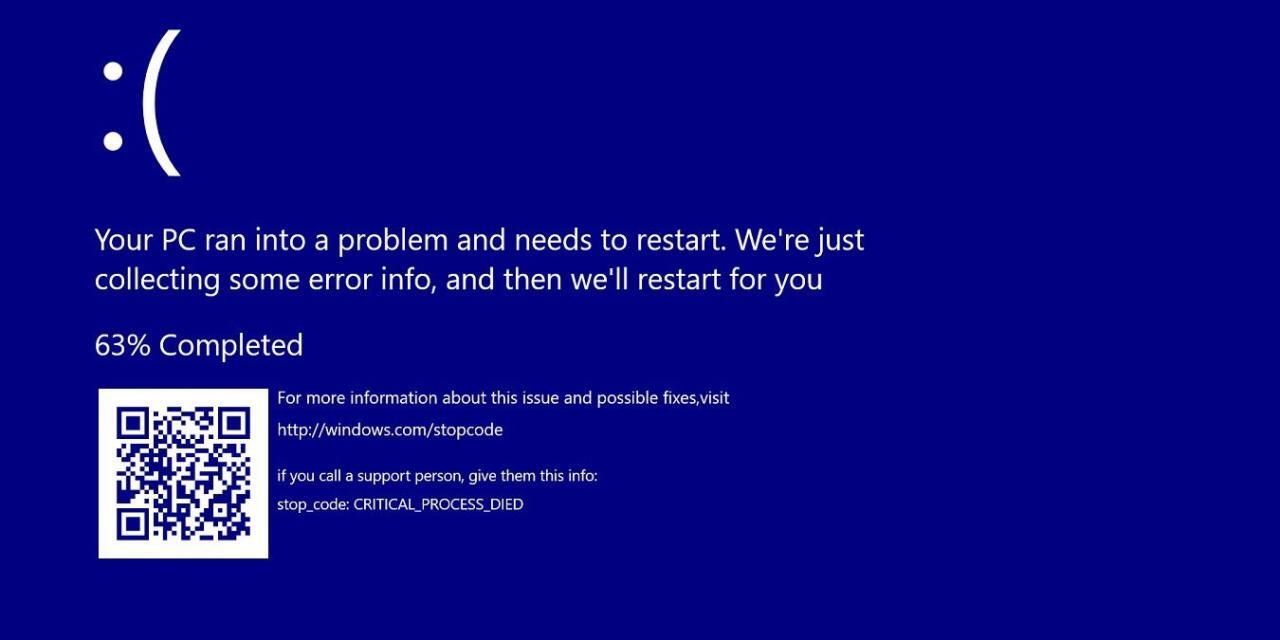
Blue Screen of Death (BSOD) errors, while often frustrating, can be significantly mitigated through proactive measures. By implementing sound preventative strategies, users can substantially reduce the likelihood of encountering these critical system failures. These techniques focus on maintaining a healthy system environment and proactively addressing potential issues before they escalate.
Regular System Maintenance
Maintaining a clean and optimized system is crucial in preventing BSOD errors. Regular maintenance tasks help to identify and resolve minor issues before they become major problems. This proactive approach is more effective and less disruptive than reactive troubleshooting after a BSOD.
- Disk Cleanup: Regularly clearing temporary files, unnecessary system files, and other obsolete data can free up disk space and improve system performance. This is vital to prevent potential disk errors that can trigger BSODs. Disk space constraints can lead to fragmentation and corruption of data, ultimately causing system instability.
- Defragmentation (if applicable): For older file systems, defragmentation can help improve read/write performance and prevent issues related to fragmented data, thereby reducing the likelihood of a BSOD. However, modern file systems often handle fragmentation more efficiently, so this step is less critical for newer systems.
- Registry Cleaner (with caution): Using registry cleaners can be helpful in removing obsolete entries, but it’s crucial to proceed with caution. Incorrect use can lead to system instability. Always back up the registry before running any registry cleaner tool.
Operating System Updates
Keeping the operating system updated is essential for preventing BSOD errors. Updates often include crucial security patches and performance improvements, which address potential vulnerabilities and enhance system stability.
- Automatic Updates: Enable automatic updates for the operating system and installed applications. This ensures that the latest security patches and bug fixes are installed promptly, safeguarding against known vulnerabilities that can cause BSODs.
- Regular Manual Checks: Even with automatic updates, it’s beneficial to periodically check for and install available updates manually to ensure the system is fully up-to-date.
Proper Shutdown Procedures
Proper shutdown procedures minimize the risk of data loss and system corruption, which can sometimes lead to BSODs.
- Avoid Force Quitting: Avoid abruptly shutting down the system, as this can lead to incomplete file operations and data corruption. Always use the operating system’s built-in shutdown feature to ensure a clean shutdown.
- Unplug Safely: Unplug all external devices such as printers, scanners, and external hard drives before powering down the computer to avoid potential issues. This is especially important for USB devices.
Reliable Software and Hardware
Using reputable software and hardware is crucial for long-term system stability and preventing BSOD errors. Choosing well-tested and supported software and hardware is an investment in system reliability.
- Vendor Support: Opt for software and hardware from reputable vendors with strong support resources. This ensures timely assistance and troubleshooting in case of issues.
- Compatibility Checks: Before installing new hardware or software, check for compatibility with the existing system to avoid potential conflicts that can trigger BSODs. Consult manufacturer documentation to ensure compatibility.
Last Point
In conclusion, this guide has provided a structured approach to tackling BSOD errors, from fundamental understanding to advanced solutions. By understanding the root causes, employing effective diagnostic methods, and implementing preventative strategies, you can significantly reduce the frequency and impact of these frustrating crashes. Remember to back up your data before attempting any significant changes to your system.